
IAFF Local 5632
A Safer Community
A Safer Community
For a Safer Community
More Firefighters•Faster Response•Safer Community
7B would raise 6 mills to increase the on-duty crew from two firefighters to four, expand round-the-clock staffing from one station to two, and fund wildfire mitigation. Placing crews at Station 3 and Station 7 cuts response times across the district.
Station 3 is already renovated and houses multiple firefighting vehicles; all it needs is firefighters on duty around the clock. Click here to see the exact locations.
Six mills works out to about $16.04 a month for the typical Gilpin County home, and $24.37 a month for the typical Boulder County home.
The additional cost is $40.80 a year per $100,000 of your home's actual value, as set by the county assessor. The typical Gilpin County home is valued at $471,805, so $192.50 a year. Boulder County's typical home is $716,650, so $292.39 a year.
Timberline's calls have more than doubled since 2011. Nationally, the number of volunteer firefighters shrank about 13% from 2008 to 2019, then another 12% by 2023. Rural and mountain districts like ours have been hit even harder: Timberline's volunteer roster is down roughly 34% in recent years.
Even with these changes, volunteers remain the backbone of this department, many of them working shifts at Station 5 around their day jobs. Volunteers train hard, and many are highly certified. But who's available for a given call, and what they're trained to handle, varies. Paid staff must hold EMT, wildland fire, structure fire, and hazmat certifications at a minimum, and are ready to respond around the clock. Fires don't pick convenient hours either. Tuesday at 3am is as likely as a Saturday afternoon.
National volunteer firefighter trend: National Fire Protection Association (2008 and 2019 figures); National Volunteer Fire Council (2023 figure).
A fire can turn deadly in minutes. 7B means a faster response, and more lives and property saved.
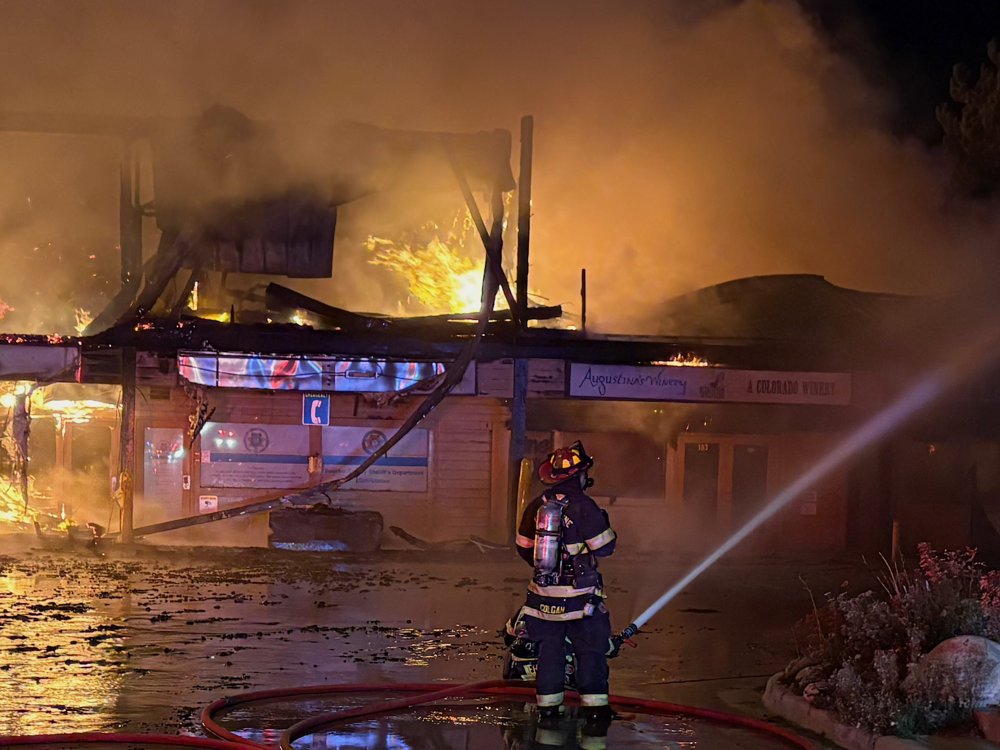
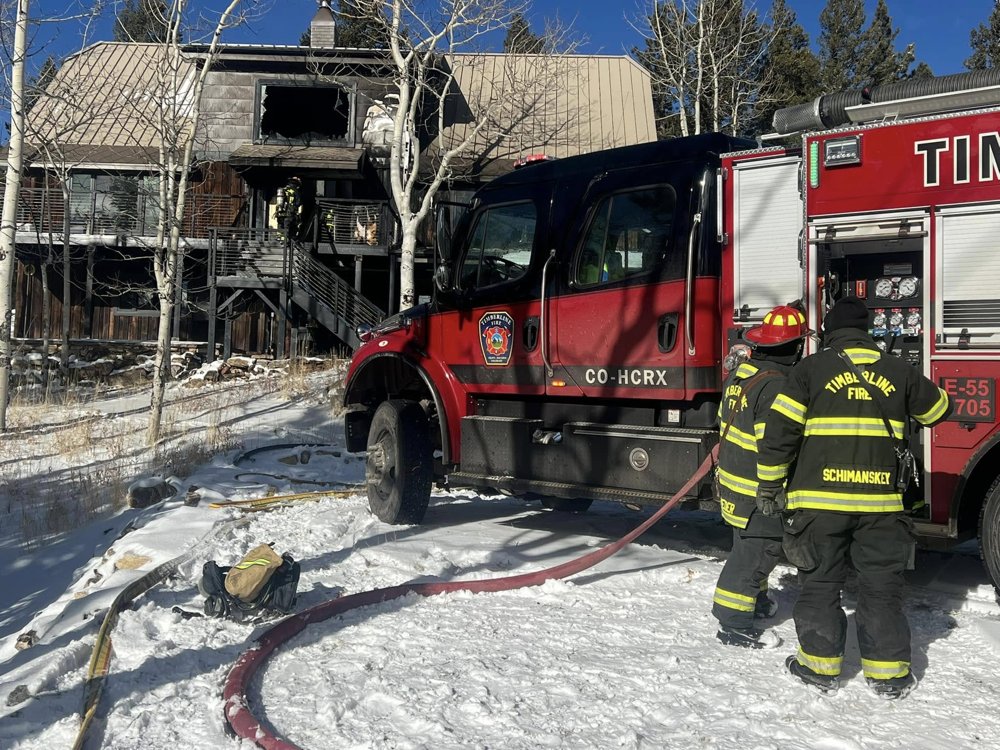
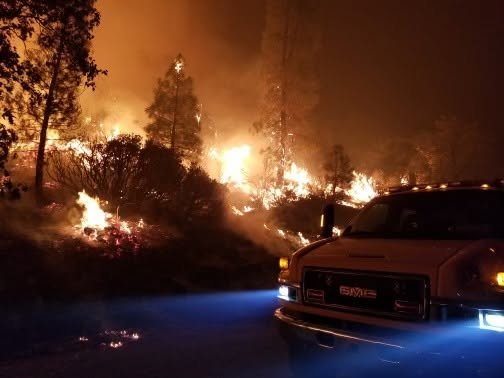
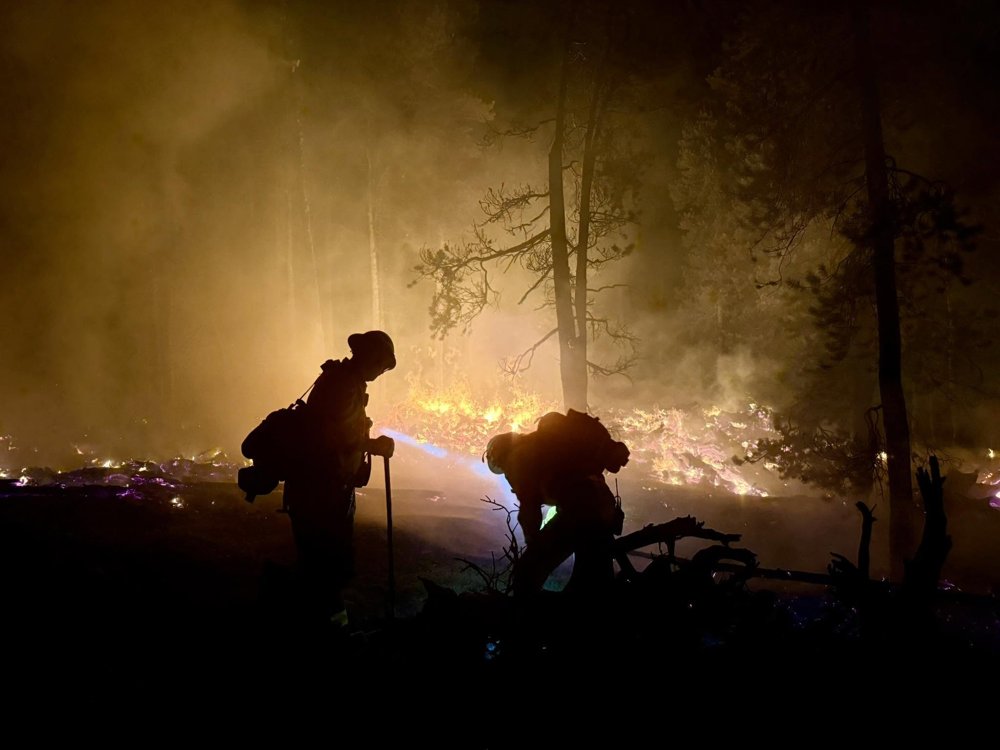
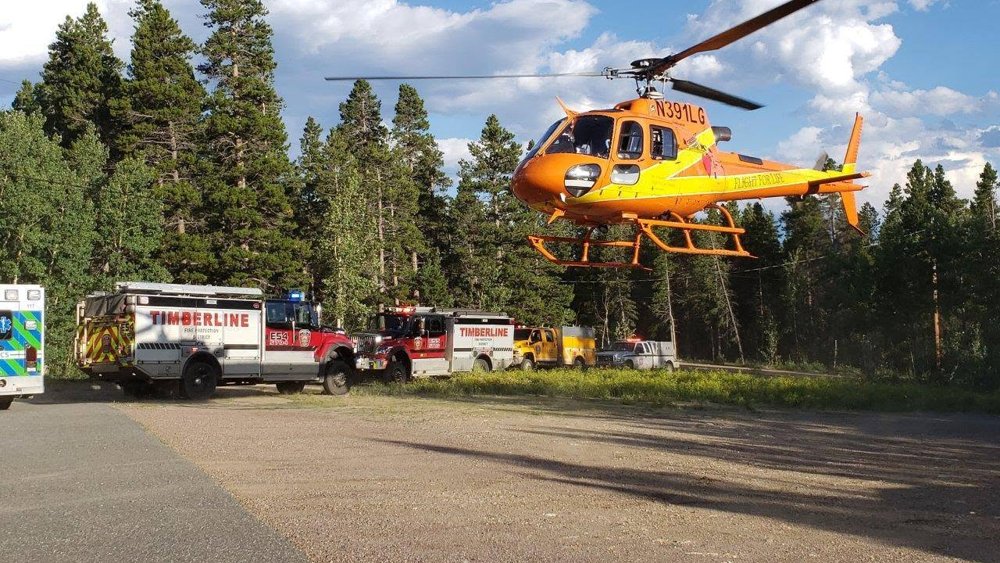
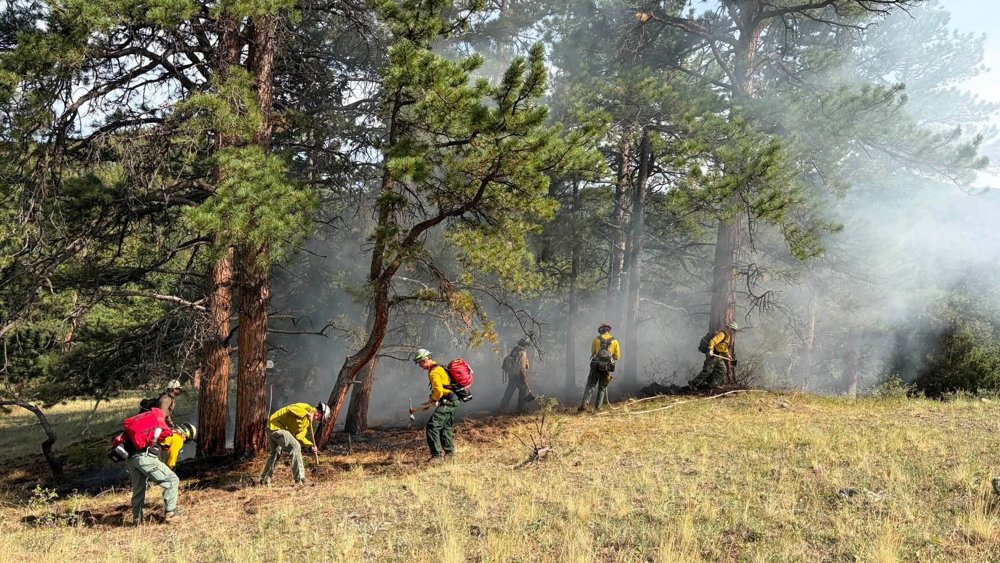
Most of our district is in Gilpin County, where 99.5% of residents live in the wildland-urban interface, the highest share of any county in Colorado, against 43% statewide. The state also rates how hard a wildfire would hit each area, and almost 7 in 10 of us are in one of the most dangerous zones on that scale.
A fire in a house built today can overtake a room, igniting everything in it at once so no one inside survives, far faster than it did a generation ago: modern furnishings have cut that window by about 88% compared to a 1950s or 60s house, back before synthetic materials replaced wood and cotton. Timberline has already cut its response times in recent years, and with fires now overtaking a room in minutes, a fast response matters more than ever. Keeping full-time crews at two stations puts more of the district within quick reach when seconds count. Structure and wildland fires aren't separate problems here either: embers thrown ahead of a wildfire ignite two out of three homes that burn, and a burning home then does the same to the one next to it.
A campfire left burning near Nederland in July 2016 became the Cold Springs Fire: 528 acres, eight homes and seven outbuildings lost, 2,000 people evacuated. In December 2021, the Marshall Fire took 1,084 homes in one afternoon in Boulder County, not in the mountains, not in summer, just grass and 100 mph wind. We get that wind here too: gusts over 70 mph have hit this region more than 260 times since 1966, and a 2016 storm clocked 105 mph along our own Peak to Peak corridor.
Four firefighters vs. two, in NIST fire research on a 2,000 square foot house.
Two firefighters answer every call. More than one emergency at the same time is common.
Two full-time firefighters cover this whole district 24/7, right now. If 7B passes, there will be four, split between two stations chosen for where calls happen most and how fast help can reach the rest of the district.
The difference is dramatic. NIST researchers studied the same house fire with two firefighters, then with four, and timed them: the four put out the fire seven minutes sooner, had water on the fire 16% faster, and began searching for victims 30% faster. In the same research, four turned out to be the number that mattered most: adding a fifth firefighter made no further difference in how fast the crew got the job done.
All of this assumes only one thing is going wrong. Two calls at once is routine here, and only two firefighters are guaranteed to respond. Volunteers can respond too, but only if they're available.
Timberline has nine stations. Only Station 5 is staffed 24/7, so every call in the district starts from that one building. Volunteers respond too, including those on scheduled shifts, but there's no telling in advance who's available or which certifications they hold, and they still have to get to a station first, unlike a crew that's already there. If 7B passes, Stations 3 and 7 are staffed instead, and both become places volunteers can shift out of too, so more of them reach a scene faster than they can today.
Station 3 and Station 7 sit in the district's two busiest areas for calls, and staffing both shortens the drive to the north end and the south end instead of helping one and not the other. The choice came down to where calls come from and what gets an engine to the rest of us fastest.
Station locations and coverage areas are approximate.
Volunteers built this department, and every one of our full-time firefighters started out as one. Volunteers are still the backbone of this department. This measure does not replace a single one of them.
What it does is put two firefighters just seconds from an engine at each of those stations, around the clock, so they can save precious minutes getting to the scene and keep the community safer.
Our volunteers answer every call they can. But work demands more hours, and fewer of them live in the district each year. With a 104% increase in call volume, frequent overlapping calls, and the realities of fire today, we've exceeded what we can reasonably ask of our volunteers. Good people can only carry that weight for so long before they burn out, grow frustrated, or sacrifice more family time than anyone should have to. We can't keep asking that of them. Our volunteers should augment our paid firefighters, not make up for an understaffed 175-square-mile district. 7B is the answer the district needs, so our volunteers can continue to strengthen the response for years to come, their dedication matched by the full-time staffing they and the community deserve.
SHALL TIMBERLINE FIRE PROTECTION DISTRICT TAXES BE INCREASED IN THE FIRST FULL FISCAL YEAR BY $1,200,000 AND BY SUCH AMOUNTS ANNUALLY THEREAFTER AS MAY BE RAISED BY AN ADDITIONAL PROPERTY TAX LEVY OF 6.0 MILLS, THE REVENUE THEREFROM TO SUPPORT THE DISTRICT'S RESPONSE CAPABILITIES, INCLUDING BUT NOT LIMITED TO HIRING ADDITIONAL FIREFIGHTERS, MAINTAINING WILDFIRE MITIGATION SERVICES AND EMERGENCY RESERVES, AND SUPPORTING THE DISTRICT'S GENERAL OPERATIONS AND CAPITAL NEEDS?